Find Us on the Living Laboratory Nature Trail
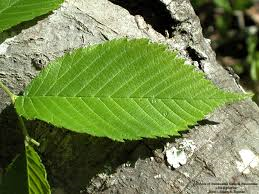
- American Elm (Ulmus americana)
Large deciduous tree with a graceful vase-shaped form and rough, serrated leaves turning
yellow in fall.
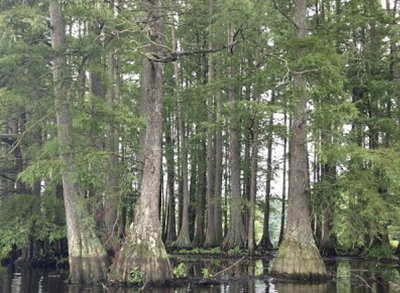
- Bald Cypress (Taxodium distichum)
Iconic swamp tree with flared base and "knees"; thrives in standing water.
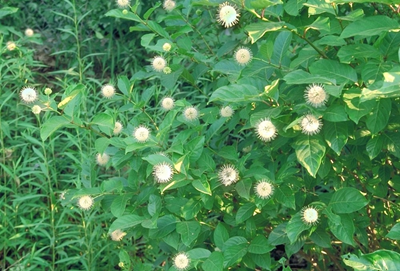
- Buttonbush (Cephalanthus occidentalis)
Rooted in or near shallow water; spherical white flowers attract pollinators.
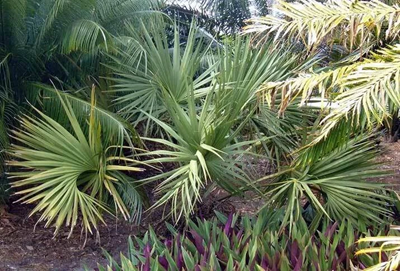
- Cabbage Palmetto / Sabal Palmetto (Sabal palmetto)
State tree; found along freshwater rivers, swamps, floodplain hammocks and upland
sites.
- Elderberry (Sambucus canadensis)
Fast-growing wetland shrub; white flower clusters and dark edible fruit.

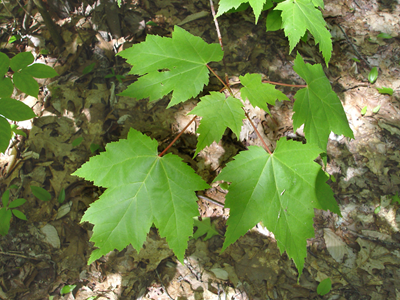
- Red Maple (Acer rubrum)
Extremely adaptable to many soil types; early spring blooms; bright red fall foliage.
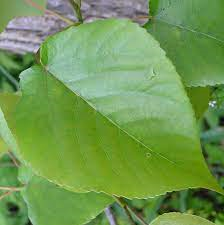
- Swamp Poplar (Populus heterophylla)
Large deciduous tree of wet bottomlands, with broad triangular leaves and deeply furrowed
bark, thriving in swampy or seasonally flooded soils.
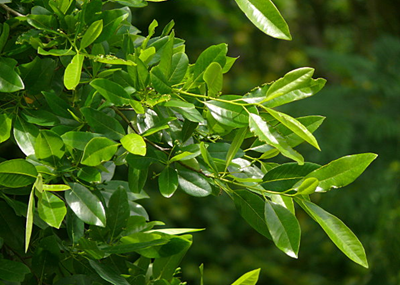
- Swamp Tupelo (Nyssa biflora)
Common in wetter soils of swamps, bogs, and bottomlands. Fruit eaten by wildlife.
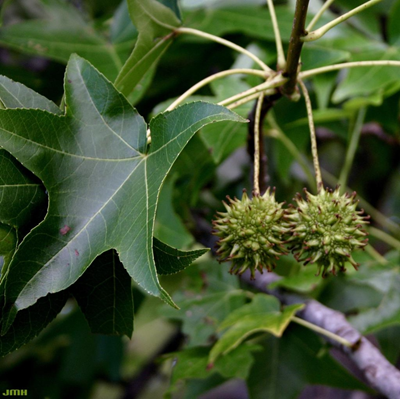
- Sweetgum (Liquidambar styraciflua)
Star-shaped leaves; prefers moist lowlands and swamp edges, but also found in uplands.
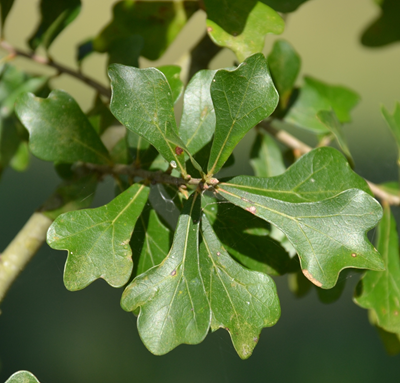
- Water Oak (Quercus nigra)
Semi-evergreen oak common on wetland edges, low flats and uplands.
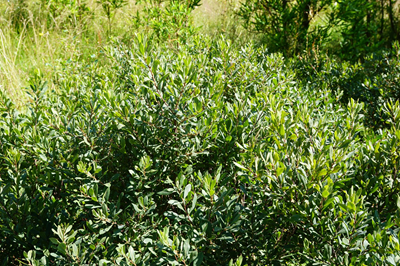
- Wax Myrtle / Southern Bayberry (Morella cerifera)
Aromatic evergreen found on slightly drier wetland margins; fruit critical for migrating
birds.
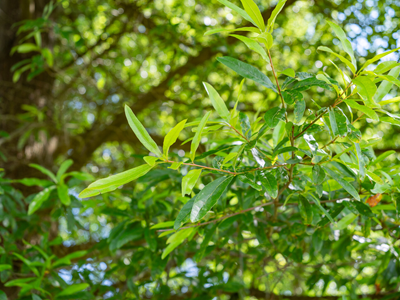
- Willow Oak (Quercus phellos)
Common in bottomlands, wet flatwoods and rich uplands; narrow, willow-like leaves.